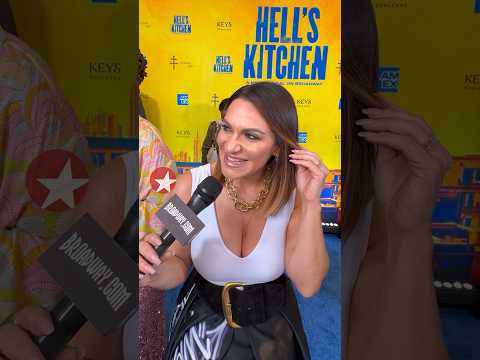
THE GREAT GATSBY Costume Designer Linda Cho Shows Off Roaring 20s Glamor by Broadway.com
Broadway.com Managing Editor Beth Stevens speaks with Linda Cho about creating the opulent costumes for THE GREAT GATSBY. Get tickets to THE GREAT GATSBY: https://www.broadway.com/shows/the-great-gatsby/

Step Right Up! Backstage at WATER FOR ELEPHANTS with Isabelle McCalla, Episode 7 by Broadway.com
In the seventh episode of Step Right Up!, Isabelle McCalla shares about her weeklong hiatus from both vlogging and performing. Healing from an injury, she takes a moment at the top of the episode to share her thoughts on the …
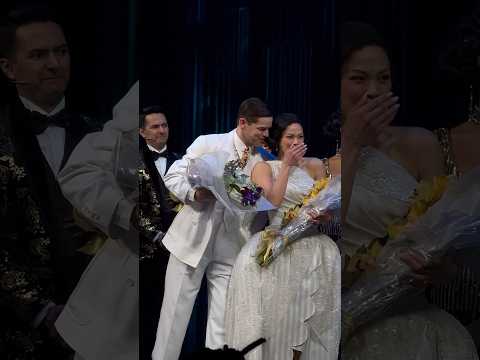
Fun moment with Jeremy Jordan & Eva Noblezada at THE GREAT GATSBY Broadway opening curtain call by Broadway.com

MERRILY WE ROLL ALONG Star Katie Rose Clarke Walks Through Her Broadway Resume by Broadway.com
Broadway.com Editor-in-Chief Paul Wontorek takes a stroll with Merrily We Roll Along’s Katie Rose Clarke to revisit her resume. Get tickets to MERRILY WE ROLL ALONG: https://www.broadway.com/shows/merrily-we-roll-along/
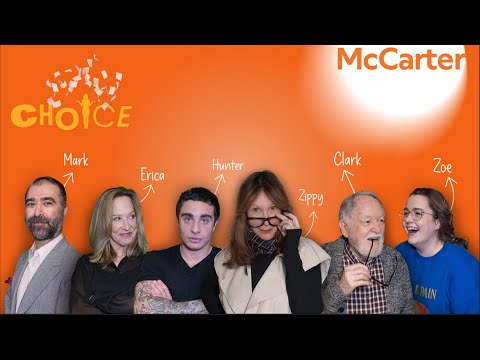

Casey Likes, Isabelle McCalla and Michael James Scott Announce Broadway's Biggest Fan! by Broadway.com
BACK TO THE FUTURE star Casey Likes, WATER FOR ELEPHANTS leading lady Isabelle McCalla and ALADDIN's Michael James Scott reveal the winner of the Broadway.com Broadway’s Biggest Fan Contest.
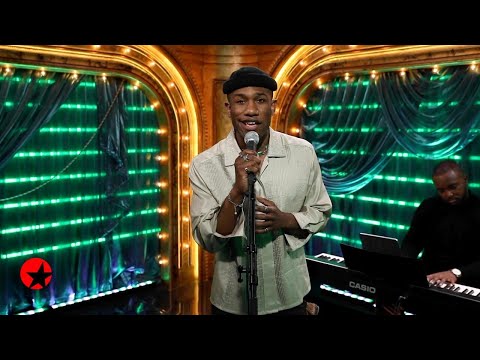
THE WIZ's Phillip Johnson Richardson Performs "To Be Able to Feel (What Would I Do If I Could Feel)" by Broadway.com
Watch an exclusive performance of "To Be Able to Feel (What Would I Do If I Could Feel)" from THE WIZ's Tinman, Phillip Johnson Richardson. Get tickets to THE WIZ: https://www.broadway.com/shows/the-wiz/
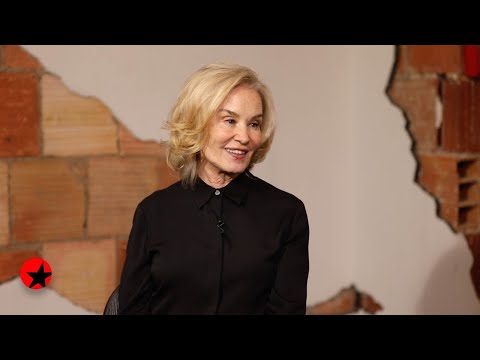
Catch Up with Tony Winner and MOTHER PLAY Star Jessica Lange by Broadway.com
The Broadway Show host Tamsen Fadal sits down with Oscar, Emmy and Tony® winner and Mother Play star Jessica Lange.

Steve Carell of UNCLE VANYA shares the feeling of taking his opening night Broadway debut bow by Broadway.com

Broadway Bares: Hit the Strip by Broadway Cares/Equity Fights AIDS
Just Announced: the seduction and spectacle of Las Vegas touches down in the Big Apple at Broadway Bares: Hit the Strip. What happens in Vegas slays at Bares for two performances on Sunday, June 23 🎰 Up the ante and get y…
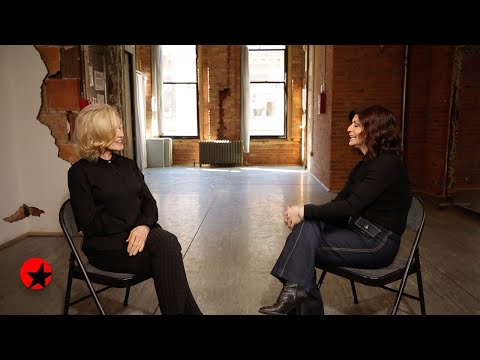
Hear From Jessica Lange, Eddie Redmayne, Alicia Keys and More on THE BROADWAY SHOW by Broadway.com
The Broadway Show is the only nationally syndicated weekly theater television series. The program features Broadway’s biggest stars, exclusive interviews and behind-the-scenes access both on and off the stage. - Keep march…

Ease on Down the Road to THE WIZ's Opening Night with Amber Ruffin, Deborah Cox and More by Broadway.com
Amber Ruffin, Deborah Cox, Kyle Ramar Freeman, Nichelle Lewis, Phillip Johnson Richardson and more welcome THE WIZ back to Broadway on opening night. Get tickets to THE WIZ: https://www.broadway.com/shows/the-wiz/
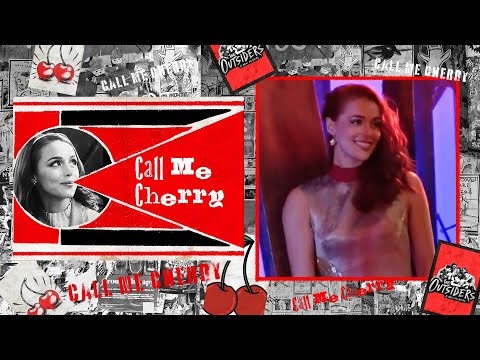
Call Me Cherry: Backstage at THE OUTSIDERS with Emma Pittman, Episode 1 by Broadway.com
For the premiere episode of Call Me Cherry, Emma Pittman takes viewers into the excitement of THE OUTSIDERS' opening night, including prep for the all-important red-carpet look, a quick hello to the Winter Garden Theatre (whe…

Hear from Shaina Taub, Hillary Rodham Clinton, Malala Yousafzai and More on SUFFS Opening Night by Broadway.com
Creator and star Shaina Taub, producers HIllary Rodham Clinton and Malala Yousafzai and more discuss bringing SUFFS to Broadway on opening night. Get tickets to SUFFS: https://www.broadway.com/shows/suffs/

Step Inside the Kit Kat Club with Eddie Redmayne, Gayle Rankin and More on Opening Night of CABARET by Broadway.com
Wilkommen to the Kit Kat Club! CABARET stars Eddie Redmayne, Gayle Rankin, Ato Blankson-Wood and Steven Skybell discuss bringing the classic musical back to Broadway on opening night. Get tickets to CABARET: https://www.broa…

Arcade Fire's Will Butler and More Welcome STEREOPHONIC to Broadway on Opening Night by Broadway.com
The cast of STEREOPHONIC, as well as songwriter Will Butler, chat about bringing David Adjmi's play with music to Broadway on opening night. Get tickets to STEREOPHONIC: https://www.broadway.com/shows/stereophonic/

Celebrate THE HEART OF ROCK AND ROLL with Huey Lewis, Corey Cott, McKenzie Kurtz and More by Broadway.com
THE HEART OF ROCK AND ROLL is beating on Broadway! Hear from Huey Lewis, Corey Cott, McKenzie Kurtz and more as they celebrate the new musical. Get tickets to THE HEART OF ROCK AND ROLL: https://www.broadway.com/shows/the-he…

They're in New York! Alicia Keys, Shoshana Bean and More Celebrate HELL'S KITCHEN on Opening Night by Broadway.com
Hit the HELL'S KITCHEN opening night red carpet with Alicia Keys, Shoshana Bean, Maleah Joi Moon and more. Get tickets to HELL'S KITCHEN: https://www.broadway.com/shows/hells-kitchen/

CABARET’s Divinely Decadent Opening Weekend on Broadway brought out the fashion! #fashion by Broadway.com

CABARET’s Eddie Redmayne & Gayle Rankin speak on Broadway opening about Emcee & Sally Bowles 👁️🗨️ by Broadway.com

Michelle Obama & Oprah were among the VIP’s at Alicia Keys’ Broadway HELL’S KITCHEN Opening Night by Broadway.com